
Gift Title
Giving or receiving a vehicle as a gift? We’ll make sure the title transfer is done right.
Table of Contents
What Is a Gift Title Transfer Texas Families Use?
A gift title transfer Texas families use moves vehicle ownership between qualifying family members without a sale, which can reduce or eliminate sales tax. Bonds Experts prepares the required Form 14-317 affidavit and paperwork for you.
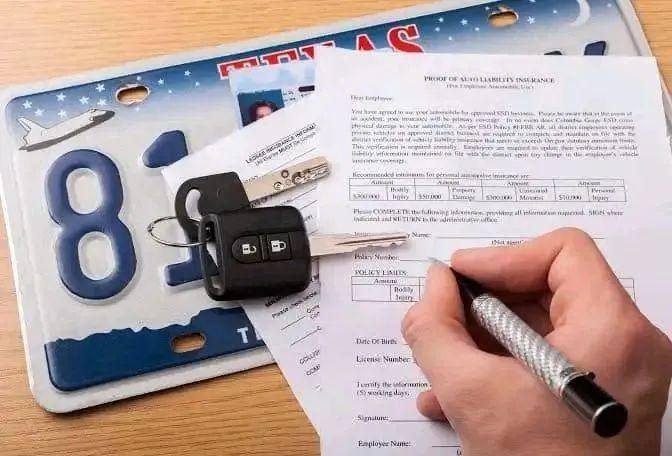
What You’ll Need
- Signed Title – from the giver
- Valid ID – for both parties
- Gift Affidavit – Form 14-317
- Proof of Relationship – confirming eligibility

How It Works
- Confirm Eligibility – for a gift transfer
- Complete the Gift Affidavit
- Sign Over the Title
- Submit to the County Tax Office
- Receive the New Title
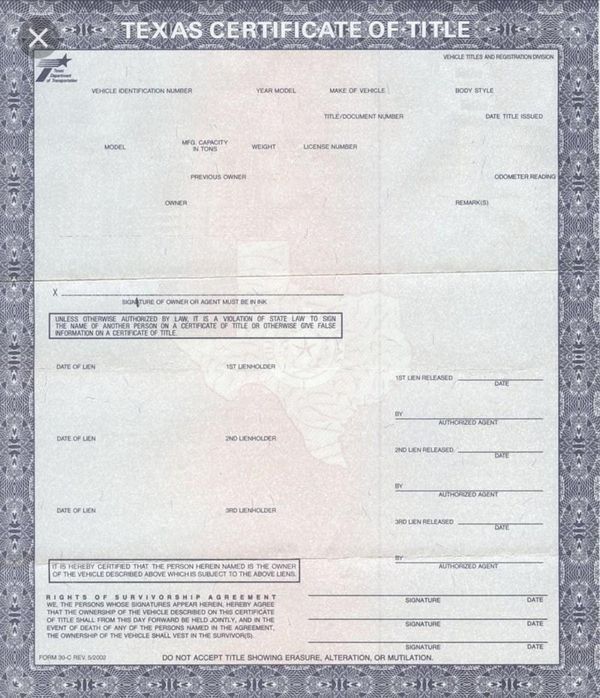
Who Qualifies as Family for a Gift Title Transfer?
Texas defines the qualifying family relationships fairly broadly for a gift title transfer: spouses, parents and children, siblings, grandparents and grandchildren, and legal guardians all qualify. Some in-law and step relationships qualify as well. A gift between friends, cousins, or unrelated parties doesn’t qualify for the gift tax exemption, even if no money actually changes hands, so it’s worth confirming the relationship fits before you assume the transfer will be tax-free.
If you’re not sure whether your specific relationship qualifies, tell us how you’re related to the giver or recipient before you file. We can confirm it against the Comptroller’s list rather than you finding out after the affidavit is already submitted.
What a Gift Title Transfer Does and Doesn’t Cover
A gift title transfer removes the standard motor vehicle sales tax that applies to most ownership changes, replacing it with a small flat gift tax instead. It doesn’t remove other costs, like the title application fee or a registration renewal that’s already due. If there’s still a loan on the vehicle, the lender’s lien has to be released before a gift transfer can go through, the same as it would for a sale.
It’s also not a way to disguise a sale as a gift to avoid tax; the affidavit is a sworn legal document, and both parties are certifying that no payment or trade changed hands. Bonds Experts only files gift transfers that are genuinely gifts.
Common Reasons a Gift Title Transfer Gets Delayed
A signature missing from the affidavit, a relationship that isn’t clearly documented, or an outstanding lien are the three most common holdups. Because Form 14-317 has to be signed by both the giver and the recipient, a transfer where one party lives out of state or isn’t available to sign in person can also add time while signatures get coordinated by mail.
Bonds Experts checks for all of these before anything is submitted to the county, and we coordinate mailed signatures when one party isn’t local, so a gift title transfer between family members in different cities doesn’t stall out over logistics.
Gift Transfer vs. Adding a Name to a Title
Some families only want to add a second name to an existing title, for example adding a spouse or adult child as a co-owner, rather than transferring ownership entirely. That’s a different process from a full gift title transfer and uses different paperwork. We can tell you which one actually fits what you’re trying to accomplish before you file the wrong form.
Getting this distinction right matters because undoing the wrong filing later, such as removing a name that was added by mistake, is its own paperwork process. It’s worth a quick conversation up front to confirm which outcome you actually want.
What If the Vehicle Still Has a Loan?
A gift title transfer can’t move forward while a lender still holds a lien on the vehicle, since the lender’s interest has to be cleared first. If the giver is still making payments, the loan typically needs to be paid off or refinanced into the recipient’s name before the gift transfer itself can be filed. This is one of the most common surprises families run into partway through the process.
If you’re not sure whether a lien is still on file, we can check before you start, so you know upfront whether you’re dealing with a straightforward gift transfer or one that needs a payoff and lien release handled first.
Gifting a Vehicle From Out of State
If the giver lives outside Texas but the recipient is a Texas resident, the vehicle still needs a Texas title and registration once it’s here, and the gift affidavit still applies if the relationship qualifies. The out-of-state title gets submitted along with the Texas paperwork, and in some cases a safety or emissions inspection is required before registration, depending on where in Texas the recipient lives.
Coordinating signatures across state lines is usually the slowest part of an out-of-state gift transfer. We handle that coordination directly so the paperwork doesn’t sit waiting on a signature that has to travel by mail.
Do You Owe Any Tax on a Gift Title Transfer?
Most gift title transfers in Texas owe a small flat gift tax rather than the standard percentage-based motor vehicle sales tax, which is where the real savings come from on a higher-value vehicle. The exact amount is set by the state and applies regardless of what the vehicle is worth, so the savings are largest on newer or more expensive vehicles being gifted between qualifying family members.
There are also standard title and registration fees that apply to any transfer, gift or otherwise, and those aren’t waived by the gift affidavit. We give you the full breakdown of what’s owed before anything is filed, so there’s no confusion between the tax that’s being avoided and the fees that still apply.
Timing a Gift Title Transfer Around a Move or Estate
Families sometimes use a gift title transfer as part of a larger move, like a parent gifting a car to a child heading off to college, or as part of settling a family member’s affairs after they’ve passed. The affidavit itself works the same way in either case, but an estate situation can add a layer of documentation if the vehicle was still titled in a deceased relative’s name.
If you’re handling a vehicle as part of an estate, tell us that upfront. It may still qualify as a gift transfer, or it may need a different process depending on whether the estate went through probate, and we’ll point you toward whichever path actually applies to your situation.
Getting Started With Your Gift Title Transfer
Tell us how the giver and recipient are related, whether there’s still a loan on the vehicle, and whether both parties are local or one is out of state. From there we prepare the Form 14-317 affidavit and the rest of the paperwork, coordinate signatures, and file with the county so the title lands in the recipient’s name without unnecessary back-and-forth.
Most gift title transfers we handle for qualifying family members move through the county without a hitch once the paperwork is complete and signed correctly the first time. When something does come back, it’s almost always a missing signature or a lien that wasn’t cleared beforehand, both of which we check for before anything leaves our office, so a second trip to the county office is rarely necessary.
Frequently Asked Questions
Who qualifies for a gift title transfer?
Immediate family members as defined by the Texas Comptroller.
Is a gifted vehicle really tax-free?
A reduced $10 gift tax applies instead of standard sales tax, if requirements are met.
Can I gift a vehicle to someone outside my family?
Texas limits the reduced gift tax to specific relationships such as spouse, parent, child, grandparent, grandchild and sibling. A transfer outside those relationships is generally treated as a sale for tax purposes.
What form is required to gift a vehicle?
The Affidavit of Motor Vehicle Gift Transfer, Form 14-317, signed by both the person giving the vehicle and the person receiving it.
Does the gift affidavit have to be notarized?
Both parties generally must sign, and the affidavit must either be notarized or signed in person at the county tax office.
Can I gift a vehicle that still has a loan on it?
Not until the lien is released. The lienholder has to sign off before ownership can change hands.